Traditional Japanese Reiki
The Story of Reiki & My Lineage
Usui Shiki Ryoho, the Usui Reiki system of natural healing, and the unbroken line of Masters I belong to.
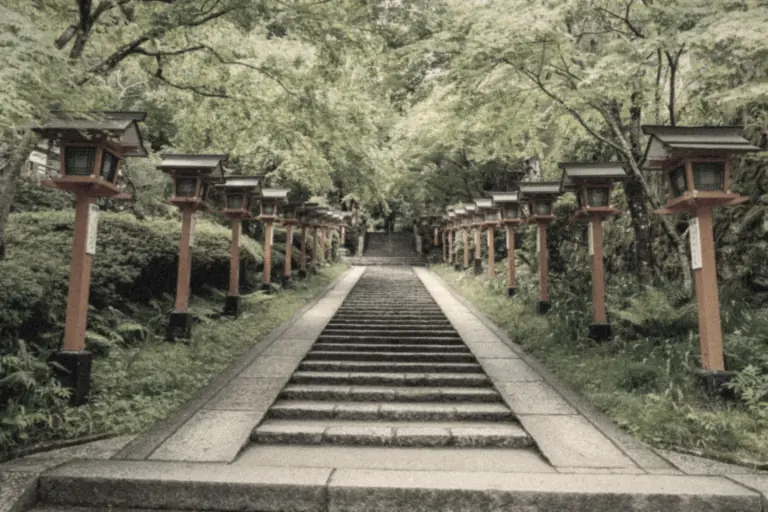
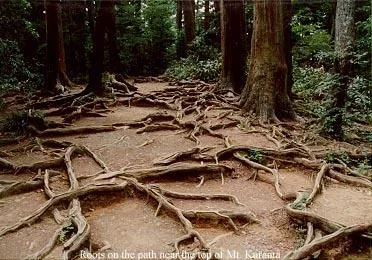
For more than 1,000 years, Mount Kurama has been known as a sacred mountain and a spiritual energy power spot. It is the birthplace of Reiki. This page is for those who, like me, love to know where the practice comes from and whose hands it has passed through. For what a session is like, see Reiki Healing.
My Reiki lineage
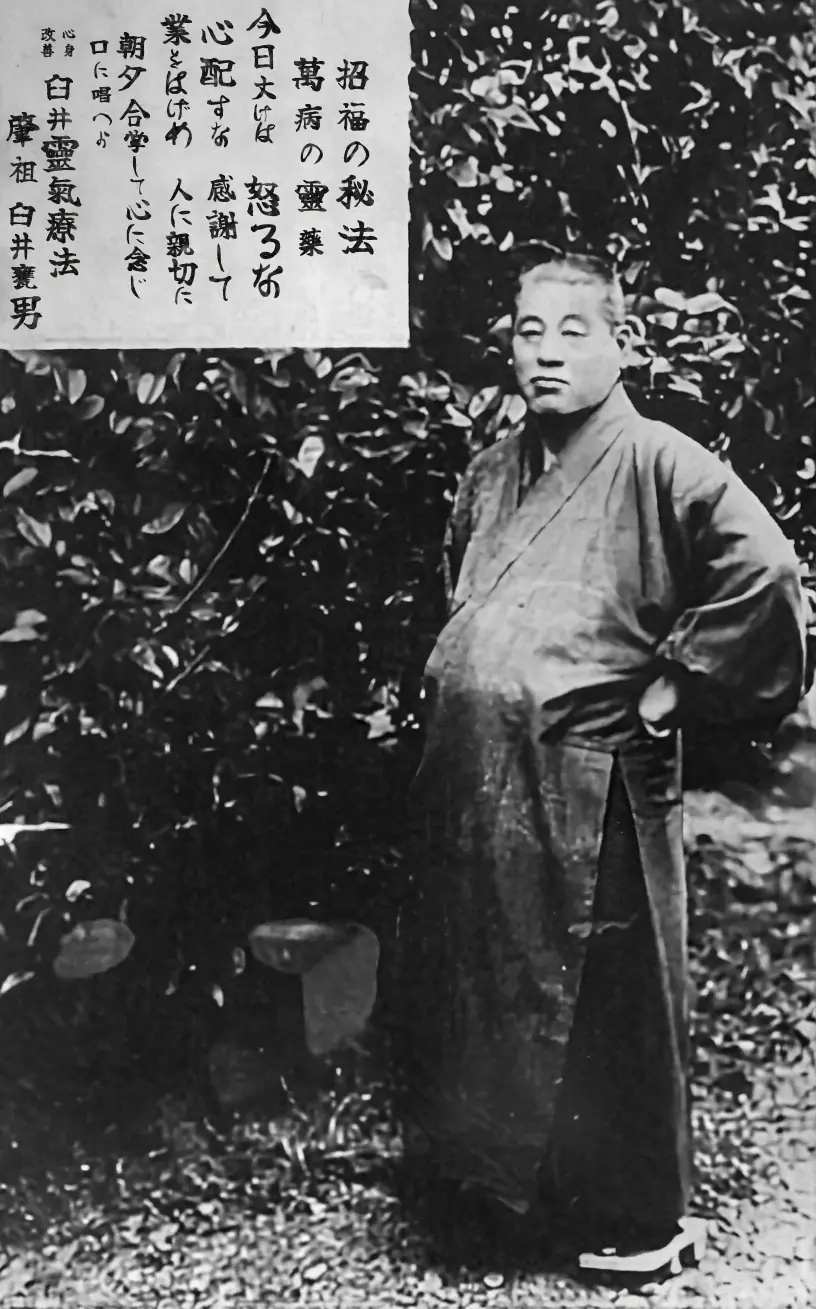
- 1Mikao Usui - founder of Reiki (Japan)
- 2Chujiro Hayashi - Master student of Mikao Usui (Japan)
- 3Hawayo Takata - Master student of Chujiro Hayashi (Japan / Hawaii)
- 4Wanja Twan - Master student of Hawayo Takata (British Columbia)
- 5Inger Droog - Master student of Wanja Twan (British Columbia)
- 6Nicolette Ross - Master student of Inger Droog (Calgary, Alberta); conference teachings and healings with Wanja Twan
I became a Usui Shiki Ryoho Master in 2012 and am a sixth-generation Master in Mikao Usui's direct lineage.
The Masters I learned from
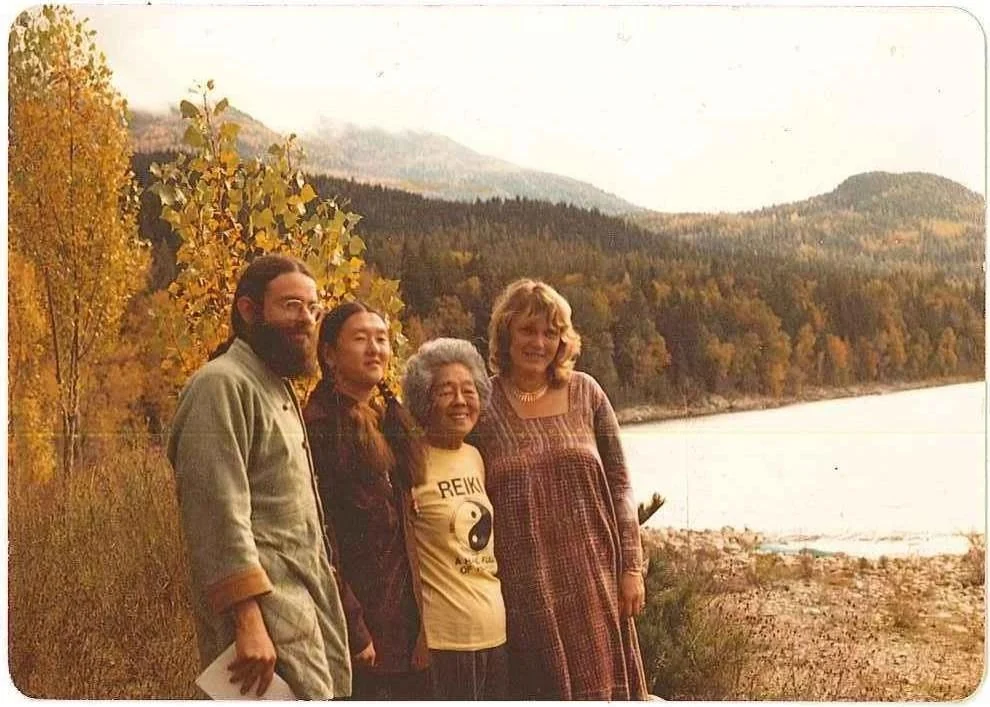
Hawayo Takata was healed in Japan in 1935 by Chujiro Hayashi and became a Reiki Master in 1938. Wanja Twan is one of the 22 Masters initiated by Hawayo Takata. She became a Reiki Master in 1979 in British Columbia, brought Reiki to Sweden, Germany, and many other places, and is a fourth-generation Master in Mikao Usui's direct lineage. She is my teacher’s Reiki teacher.
Inger Droog was born in the Netherlands and made her home in Canada. She is a Master Degree student of Wanja Twan and also learned from Hawayo Takata. At Wanja's suggestion, she brought Reiki to the Netherlands in 1984, and then to Belgium, Surinam, and Curaçao. She is a fifth-generation Master in Mikao Usui's direct lineage and is my teacher.
I am a Master Degree student of Inger Droog and learned more about Reiki and our lineage from Wanja Twan and other Masters at the Masters Conference in Sidney, British Columbia, in 2015. My own Master Degree student, Jackie Dersch, was also taught by Inger Droog and joined us there. The lineage continues.
A brief Reiki story
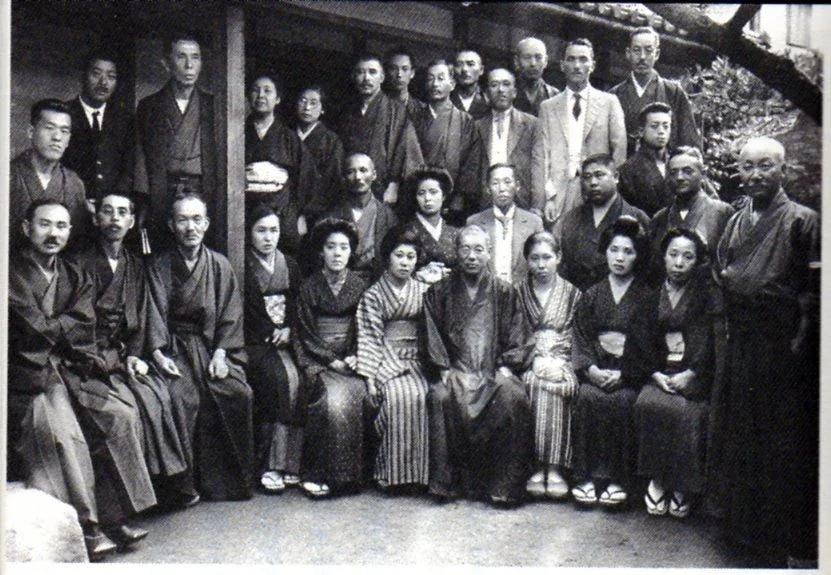
Reiki was given to the world around 1900 by Dr Mikao Usui, a Japanese Buddhist theologian. It is said that Dr Usui believed deeply in the healing powers of prana and ki and was searching for the meaning of his life. He launched a quest that took more than 20 years of travel and study of many languages, cultures, and texts, including the Sutras.
After years of travel, study, and inner seeking, he asked advice from his good friend, a Tendai Buddhist monk living at the temple on Mount Kurama. After meditation and prayer, it was decided Mikao would meditate on Mount Kurama, outside Kyoto, and wait 21 days for an answer. The monk told him if he found the answers, they were for him to know; if not, they were not for him and his quest should end.
On the final evening of the 21st day, as he sat in meditation, he surrendered his search. At that moment he saw a point of light in the night sky that had not been there before. It pulsated with bright light, knocked him to the ground, and sent him into a deep trance where he received a moment of fundamental inspiration. It is said that in this light he instantly understood how to bring healing through the laying on of hands and the vision of sacred symbols and their use for healing. The next morning he awoke, his body vibrating with energy, and knew he had the answers to his quest. On that day, on his way back to talk with his friend the monk, he experienced four healing miracles. This is how Mikao returned to the world with Reiki.
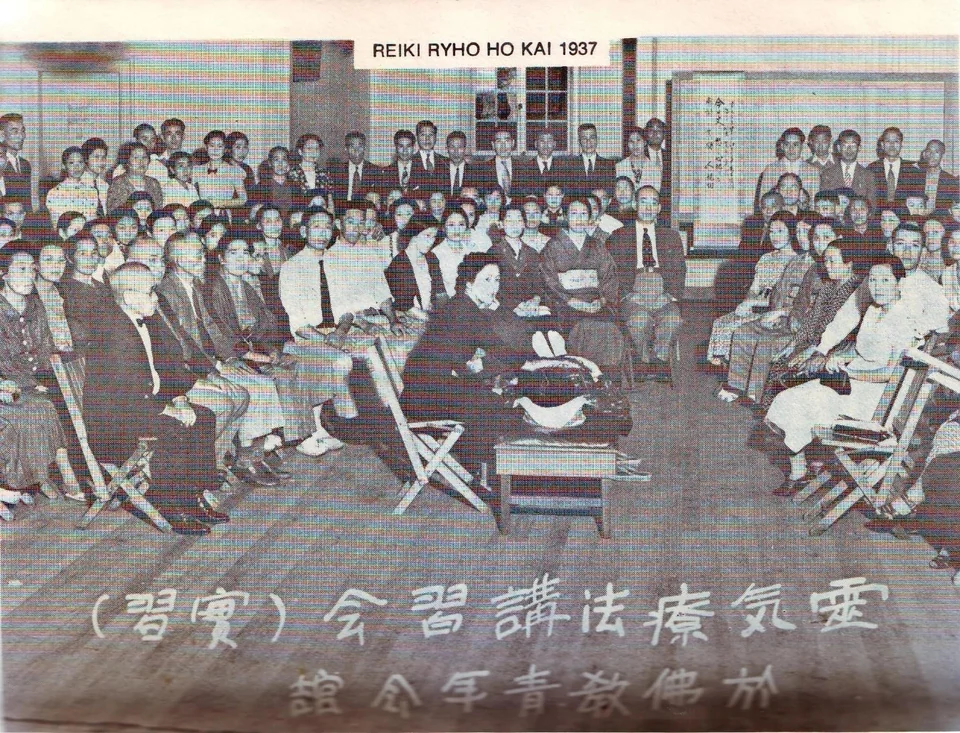
To this day, within our Reiki lineage, we honour his teaching as taught to us by Mrs Takata. We preserve our teachers’ stories and knowledge and pass on their wisdom. We teach Reiki as Mrs Hawayo Takata taught our teachers: as an oral tradition with plenty of time for hands-on healing so each student can have their own experience with Reiki. We still teach the original sacred symbols, as taught to Mrs Takata by her Master, Chujiro Hayashi, and as he was taught by his Master, Mikao Usui. Mikao’s vision of the sacred symbols and their use for healing and initiations into the energy are still the symbols we use today.
The symbolism of the Reiki kanji
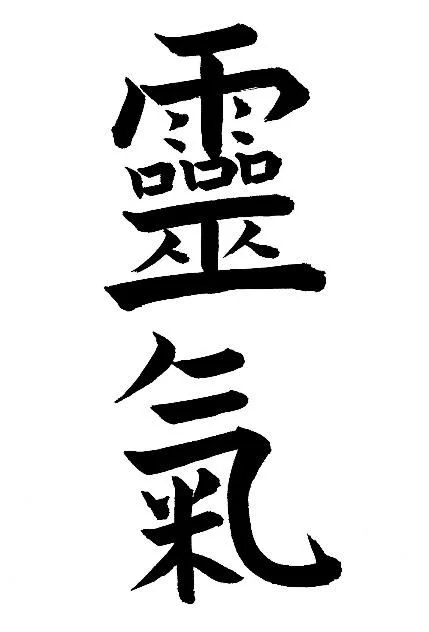
Rei: soul, divine, sacred, transcendental power or spirit of a being. In the upper portion of the kanji, Rei is symbolised as follows: from the canopy of Heaven, four raindrops fall into three containers or mouths. The rain symbolises life-giving energy from Heaven in the form of water. This energy is collected in the three containers, where it can directly revitalise the mind, body and spirit, the Reiki trinity. Below the containers, the healer prays and dances, balancing female and male duality and spiritual and material realms, to pray for rain and to act as an intermediary between Heaven above and the Earth below.
Putting the symbolism together gives a representation of the trinity found in many spiritual traditions: Heaven, Earth, and humankind. The symbolism of water is significant because it is endlessly adaptable. Water is responsive, changes form, and flows easily around obstacles but when necessary can also slowly dissolve obstacles and carry them along.
Ki: energy that can be perceived or felt; the breath of life, or atmosphere. In the lower portion of the kanji, Ki is symbolised as rice surrounded by a vapour or steam, which can also be read as air or breath: an invisible atmosphere, something that cannot be seen but can cause change and be felt. It is also interpreted as the breath of life.
Reiki as a spiritual practice
Reiki is a spiritual practice: the laying on of hands, meditation, and a conscious connection to receiving and passing on the Universal Energy. It works on every level of a person at once. The physical body gets your attention by manifesting discomfort. The emotional self is what you are feeling. The mental self is what you allow yourself to think. And the spiritual self is your capacity to love yourself and others and your connectedness to your Higher Self, your soul, and the Divine consciousness.
What Reiki does
Reiki goes to the source of an imbalance rather than its symptoms. Deep rest is where the body does its own repair, and Reiki takes people there quickly. Most fall asleep on the table. Over my years of Reiki practice, I have sat with people living with cancer, cysts, injury, chronic pain, depression, and long illness. I have watched Reiki ease what they carry, soften pain, lift the burden of treatment, and leave the body calmer and better able to heal.
I want to be clear about what that means. Reiki is not a medical treatment; it does not replace your doctor, and I make no promise of a cure. It works alongside your care, not instead of it. Within that, its power is real and gentle. There are no side effects, nothing to believe, and nothing you have to do but receive.
Beyond healing
Healing is only one of Reiki’s gifts. It amplifies innate abilities, sustains continuous personal growth, and releases the labels and expectations placed on us by others. You could say Reiki awakens us at a soul level, bringing the physical, emotional, mental and spiritual parts of ourselves into alignment.
Reiki is like a deep prayer sent to the Universal Energy. Your devotion to the energy equals the power of Reiki in your life.